Empowering Survivors: Navigating Cancer Care, Therapies, and Support for a Better Quality of Life
Imagine standing at the precipice of a cliff, staring down at the unknown. That's often how it feels for those diagnosed with malignancy. The world of oncology evolves rapidly and, as a survivor, the path from illness to remission can often appear daunting. But what if we could transform that fear into hope? By embracing comprehensive cancer care strategies, survivors can navigate the tumultuous waters of their journey and transform challenges into triumphs. Today's blog dives deep into the empowering world of cancer care, discussing patient support and lifestyle modifications that enhance quality of life.
First and foremost, let's talk about cancer education. It’s essential for survivors to familiarize themselves with ongoing clinical research, therapies, and treatment options available. Every survivor's journey is unique, and understanding the landscape of cancer care can often feel like finding a compass in a dense fog. What if you armed yourself with knowledge? Could it be your secret weapon to advocate for the best possible healthcare during your journey? Engaging in discussions within the survivor community and taking an active role in your treatment can empower you to make informed decisions every step of the way.
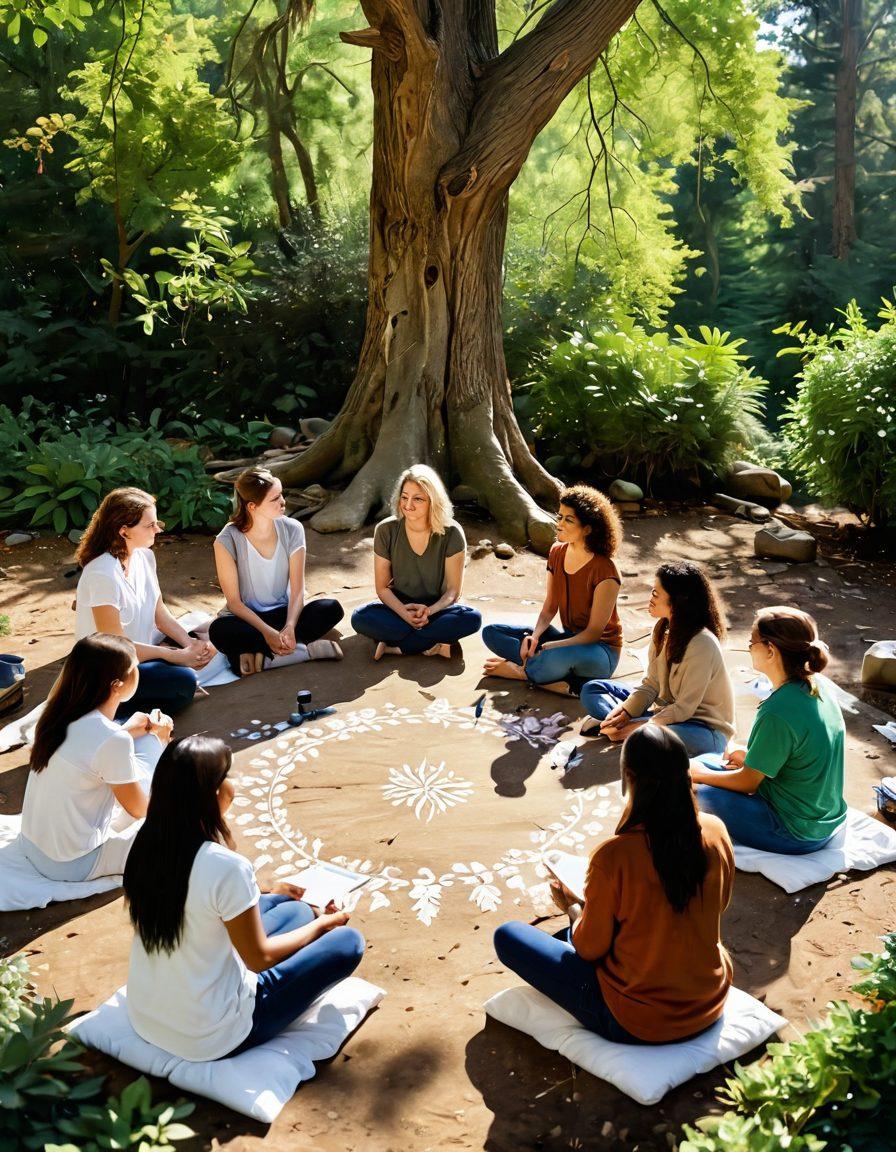
As we dive deeper into our strategies, let’s focus on the critical role of patient support. Support groups can be a lifeline, providing a safe haven where survivors can exchange stories and insights. A poignant quote comes to mind: “We rise by lifting others.” In your healing journey, never underestimate the power of community. There’s strength in shared experiences, and who better to understand the unique challenges than those who have walked a similar path? Participating in support groups can not only alleviate feelings of isolation but can also serve as a platform for sharing valuable tips on lifestyle modifications, immune therapy options, and more.
Screening is another vital component when discussing comprehensive cancer care strategies. Regular screenings and check-ups can make all the difference in early detection, significantly modifying prognosis outcomes. Have you ever considered how doing just a little proactive planning can pave the way for better health awareness? Whether you're due for a follow-up or trying out a new therapy, being proactive can empower you and improve your quality of life. Remember, navigating your cancer journey is not merely about surviving; it’s about thriving.
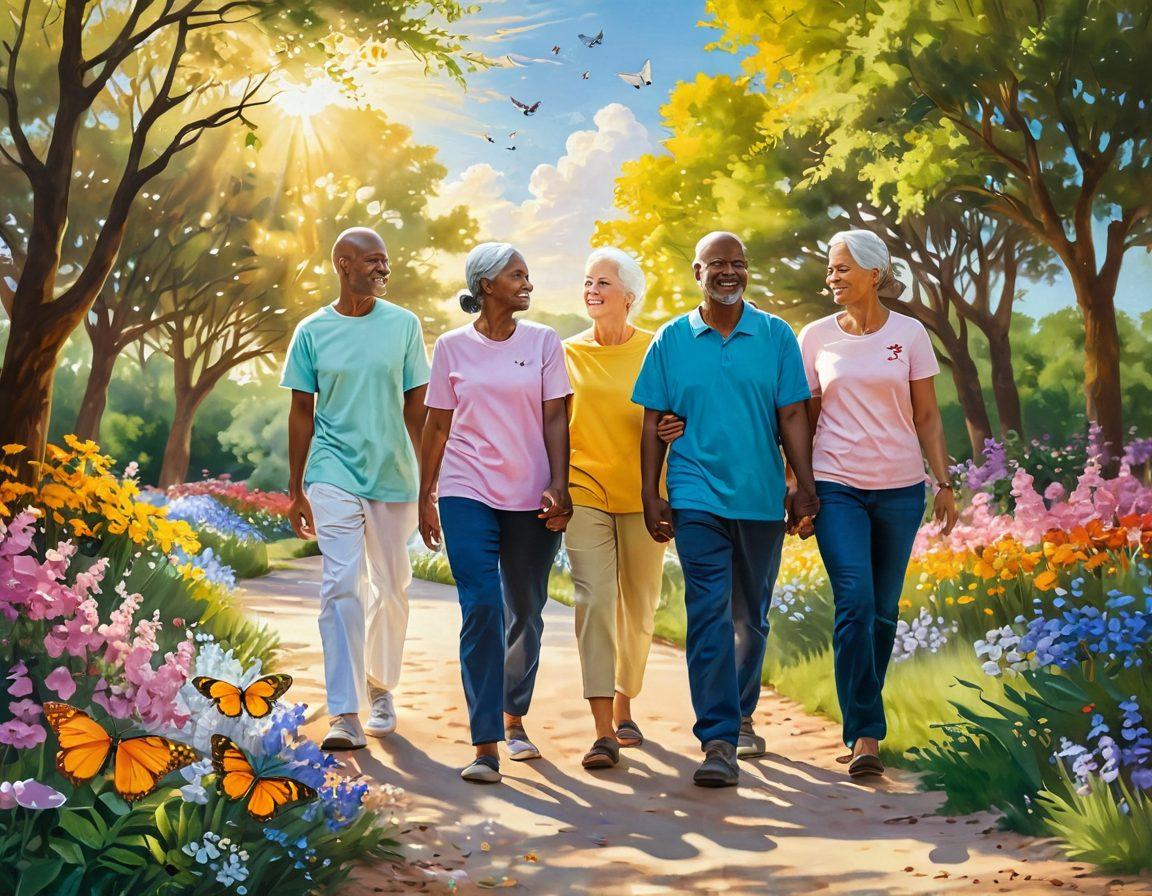
Lastly, let's explore lifestyle modifications that go hand in hand with any cancer care strategy. This is where health and wellbeing intersect most profoundly. Incorporating balanced nutrition, physical activity, and mindfulness practices into your daily routine can invigorate not only your body but your spirit as well. It's about creating a sustainable lifestyle that helps maintain your hard-won remission, empowering you to live life to the fullest. Perhaps the most important question to ask yourself is: What small change can I make today to enhance my wellbeing tomorrow? A little step can lead to a monumental transformation in your journey as a survivor.
Embracing Healing: The Role of Support Groups and Lifestyle Modifications in Cancer Recovery
When faced with an illness as daunting as cancer, the journey can often feel like an uphill battle. Many cancer patients find themselves navigating a maze of oncology treatments, clinical research trials, and support options, all while grappling with their emotions and a myriad of questions. However, one of the most powerful allies in this fight is the concept of community. As each survivor begins their path towards remission, embracing healing through support groups and lifestyle modifications can significantly enhance not only their quality of life but also their overall wellbeing.
Support groups create a sanctuary where individuals can share their experiences freely. There’s something incredibly comforting about being surrounded by those who understand the journey of cancer care – the hardships, fears, and triumphs. As one member of a survivor community poignantly stated, "In the darkest of times, we shine a light for one another." These gatherings allow survivors to build deep connections, providing an emotional refuge from the sometimes isolating world of malignancy. Additionally, this shared experience fosters a sense of belonging that can be a vital aspect of mental health during recovery and beyond.
The power of patient support in the quest for healing extends to lifestyle modifications that can enhance effectiveness against cancer and influence overall quality of life. Simple changes, such as adopting a healthier diet, prioritizing physical activity, and finding mindfulness practices, can make all the difference. Through cancer education and health awareness initiatives, individuals often learn that these lifestyle choices support immune therapy and other treatments, potentially improving their prognosis. Have you ever considered how a few small changes can lead to monumental shifts in your health?
Moreover, the role of support groups cannot be overstated when it comes to accountability. Participants encourage one another to adhere to these lifestyle modifications. Whether it’s a regular meet-up for a morning jog or a gathering centered around healthy cooking, these activities inspire individuals to make better choices together. As they share tips and celebrate milestones, members not only cultivate friendships but also empower each other to embrace their healing journeys. It’s about finding joy and strength in unity, showing that along the journey of cancer care, no one has to walk alone.
In conclusion, the combination of peer support and lifestyle changes can significantly enhance the experience of cancer recovery. Just imagine feeling a sense of community, where stories are shared, laughter is echoed, and hope is tangible. For those grappling with a cancer diagnosis, remember the words of one inspiring survivor: "The road to recovery may be long, but with the right support, it becomes a pathway to renewed life." Embracing support groups and committing to lifestyle modifications can create a brighter and healthier future, allowing survivors to reclaim their lives and thrive in their new normal.
Innovations in Oncology: Exploring Cutting-Edge Therapies and the Path to Enhanced Well-being
In the ever-evolving landscape of healthcare, the fight against cancer, or malignancy, has witnessed revolutionary changes thanks to innovations in oncology. Each breakthrough in therapy not only offers hope but also creativity in treatment approaches that enhance well-being. Did you ever wonder how many lives have been transformed through these advancements? For survivors and their families, these innovations can mean a chance at remission, a tool for empowerment, and an opportunity to reclaim quality of life after the ordeal of illness.
Imagine standing at a crossroads: one path leads to traditional approaches, while the other veers toward cutting-edge therapies like immune therapy. Which would you choose? The latter has gained traction in recent years, demonstrating remarkable results by harnessing the body’s own immune system to combat cancer cells. This not only represents a significant advancement in cancer care but also opens up discussions about what healthcare can and should provide for those facing daunting prognoses. By embracing these new therapies, patients can embark on journeys toward restoration and a comprehensive approach to their health.
Supporting those who navigate cancer requires more than just advanced medicine; it also needs an invigorating survivor community and open lines of communication. The integration of cancer education plays a pivotal role in fostering a well-informed patient populace capable of making better decisions regarding their health. Could joining a support group or participating in clinical research be your golden ticket to understanding and coping with your journey? With collective wisdom from others in similar situations, survivors and their families can share insights that facilitate lifestyle modifications, not to mention the immense emotional support that comes from connection.
Of course, effective cancer care doesn’t solely depend on the latest therapies. Screening is a critical component that sets the stage for early intervention and improved prognosis. The advances in screening technology are nothing short of inspiring, giving individuals the tools they need to detect malignancies early and seek immediate care. Raising health awareness about these options is essential in fostering a proactive mindset aimed at prevention and early detection.
Ultimately, each step taken in the realm of oncology isn’t merely about battling illness; it’s about cultivating a life brimming with quality, joy, and purpose. Whether you're a patient or a loved one, the transformative power of these innovations offers a glimmer of hope and a renewed understanding of what personalized cancer care can truly accomplish. So, what will your next step be on this journey to well-being?